
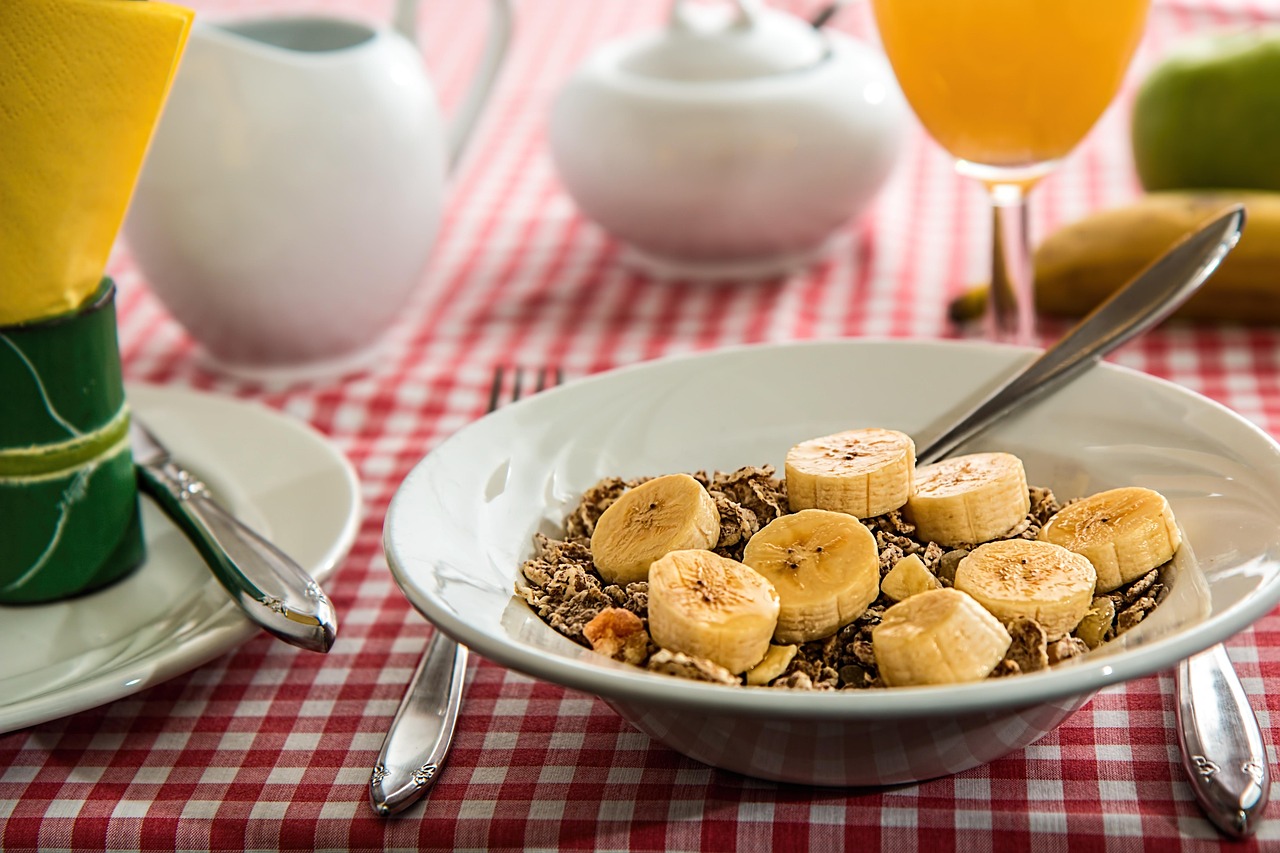
Pros, Cons, and What You Need to Know Before Starting
In the age of trending diets, the One Food Diet (also known as the Mono Diet) continues to gain attention. The idea is simple: eat only one type of food—such as sweet potatoes, bananas, or eggs—for every meal over a period of time. While this sounds extreme, many claim it leads to rapid weight loss and better digestion.
But is this method really effective or safe? In this post, we’ll explore what the One Food Diet is, popular food choices, benefits, risks, and expert insights to help you decide if it’s right for you.
What Is the One Food Diet?
The One Food Diet involves consuming only one specific type of food throughout the day or during each meal. No mixing. No variety. Just a single item like:
- Sweet potatoes
- Bananas
- Boiled eggs
- Tofu or cottage cheese
The main appeal is its simplicity—no complicated meal planning or calorie counting. It’s often used as a short-term diet for quick results.
Common Foods Chosen for This Diet
- Sweet Potatoes: High in fiber and low glycemic index
- Bananas: Rich in potassium and help with digestion
- Eggs: High in protein and healthy fats
- Tofu: Plant-based protein suitable for vegetarians
Each food is chosen for its nutritional density, satiety, and accessibility.
Benefits of the One Food Diet
✅ 1. Simplicity and Convenience
No need to plan meals—just prepare the same food in bulk. Perfect for busy people or those new to dieting.
✅ 2. Reduced Calorie Intake
Eating one type of food naturally limits overeating and snacking, leading to a calorie deficit.
✅ 3. Lower Grocery Costs
Buying a single ingredient saves money and reduces food waste.
✅ 4. Quick Weight Loss
Many report noticeable weight loss within a few days, often due to reduced water weight and improved digestion.
Risks and Drawbacks
⚠️ 1. Nutritional Deficiencies
No single food can provide all essential vitamins and minerals. Long-term use can lead to vitamin deficiencies, fatigue, and lowered immunity.
⚠️ 2. Muscle Loss and Metabolic Slowdown
Without enough protein and calories, the body may begin to burn muscle mass for energy, reducing your resting metabolic rate.
⚠️ 3. Mental and Emotional Stress
Eating the same food repeatedly can lead to boredom, cravings, and disordered eating behaviors.
⚠️ 4. Not Suitable for Everyone
People with diabetes, gastrointestinal issues, or pregnant individuals should avoid restrictive diets without medical supervision.
What Do Experts Say?
- According to the American Dietetic Association, extreme mono diets can disrupt your body’s balance and aren’t recommended for long-term use.
- Harvard Health Publishing emphasizes that while you may lose weight short-term, you’re likely to regain it once a normal diet is resumed.
- Nutritionists advise using mono diets only as a temporary reset—not a sustainable eating plan.
How to Try It Safely
If you’re curious to try the One Food Diet, follow these guidelines:
- Limit duration: Try it for no more than 3–5 days.
- Stay hydrated: Drink plenty of water or unsweetened tea.
- Monitor your body: Stop immediately if you feel dizzy, weak, or unwell.
- Reintroduce balanced meals slowly: Don’t return to heavy eating all at once—transition with light, nutritious meals.
Final Thoughts
The One Food Diet may sound like a shortcut to weight loss, but it comes with significant limitations. It can work as a short-term strategy or a way to reset your eating habits, but it’s not a sustainable lifestyle.
The best diet is one that’s balanced, enjoyable, and fits your life. Focus on whole foods, regular exercise, and long-term consistency for true health and wellness.
If you’re looking for quick results with minimal planning, this might be worth a try—but always listen to your body, and consult with a healthcare professional when in doubt.