
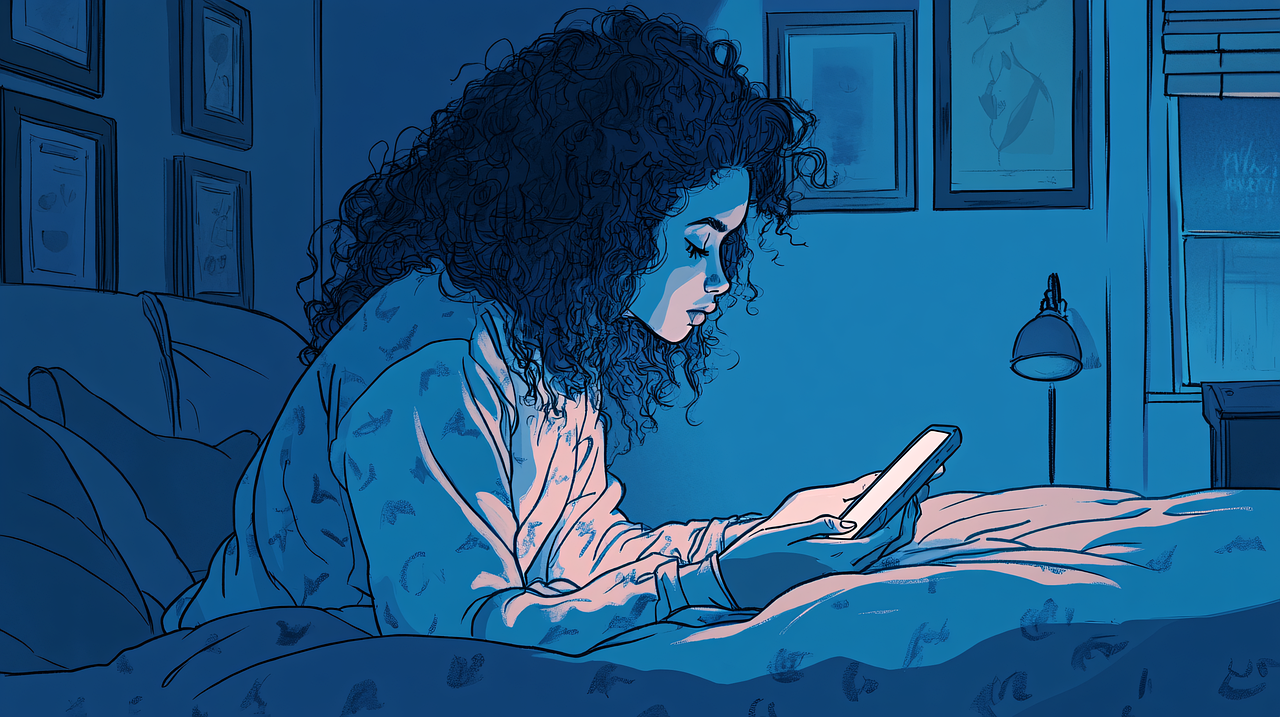
In recent years, a growing number of studies have shown that blue light exposure can reduce the quality of our sleep. However, smartphones, tablets, computers, and LED lighting have become essential parts of modern life. So, does blue light really harm sleep? And if so, what can we do to reduce its impact?
What Is Blue Light?
Blue light is a high-energy visible light with a short wavelength. It’s emitted primarily from LED displays, fluorescent lighting, smartphone and computer screens. While it exists in natural sunlight, the problem lies in artificial exposure at night.
If you’ve ever felt your eyes become dry after hours in front of a screen, or had trouble falling asleep after scrolling on your phone late at night, you’re not alone. Let’s take a deeper look into how blue light affects sleep.
How Blue Light Affects Sleep
1. Suppression of Melatonin Production
Blue light inhibits the production of melatonin, the hormone that regulates the sleep-wake cycle. Normally, melatonin levels rise after sunset to help you feel sleepy. However, exposure to blue light at night tricks your brain into thinking it’s still daytime, which delays sleep onset.
2. Disruption of the Circadian Rhythm
Our internal body clock—known as the circadian rhythm—is designed for daytime activity and nighttime rest. Using screens late at night disrupts this rhythm, leading to insomnia, fatigue, and decreased concentration.
3. Poor Sleep Quality
Prolonged exposure to blue light before bed can delay the time it takes to fall asleep and shorten the duration of deep sleep. This results in increased tiredness the next day and may even weaken your immune system.
What Does the Research Say?
- A Harvard Medical School study found that participants exposed to blue light experienced a 2-hour delay in melatonin secretion and slept 30 minutes less on average.
- According to the National Institutes of Health (NIH), people who use smartphones within an hour before bed report lower sleep satisfaction and higher fatigue the next day.
How to Effectively Block Blue Light
✅ 1. Use Blue Light Blocking Glasses
Wearing glasses with lenses designed to block blue light in the evening can help preserve melatonin production. They are particularly helpful for night-shift workers or people who use screens until bedtime. Personally, I’ve noticed that I feel less fatigued on days when I wear my blue light glasses at work.
✅ 2. Adjust Your Device Settings
Most modern smartphones, tablets, and laptops offer blue light filters or night mode settings. These features shift the screen’s color temperature to warmer tones, reducing eye strain and improving sleep readiness.
✅ 3. Try Blue Light Filter Apps
There are several apps—both free and paid—that automatically adjust your screen’s brightness and blue light output based on the time of day. These are especially useful for students or office workers who rely heavily on digital devices.
✅ 4. Improve Screen Habits
Most importantly, aim to limit screen time at least 1–2 hours before bed. Instead, wind down with activities like reading, meditation, or light stretching, which help relax your mind and prepare your body for sleep.
Additional Tips for Better Sleep
- Stick to a consistent sleep schedule: Go to bed and wake up at the same time every day to support your circadian rhythm.
- Create a restful sleep environment: Keep your bedroom dark and quiet, and avoid electronics near your bed.
- Avoid caffeine and alcohol: Especially in the evening. Instead, consider a soothing cup of chamomile tea to relax your body and mind.
Small opinion
Blue light is unavoidable in today’s tech-driven world, but we can manage and reduce its effects. Quality sleep is essential for recovery, focus, and overall well-being.
If you’re someone who can’t put down your phone or laptop at night, now is the perfect time to start practicing blue light hygiene.
Even small changes can lead to better sleep and healthier days ahead.